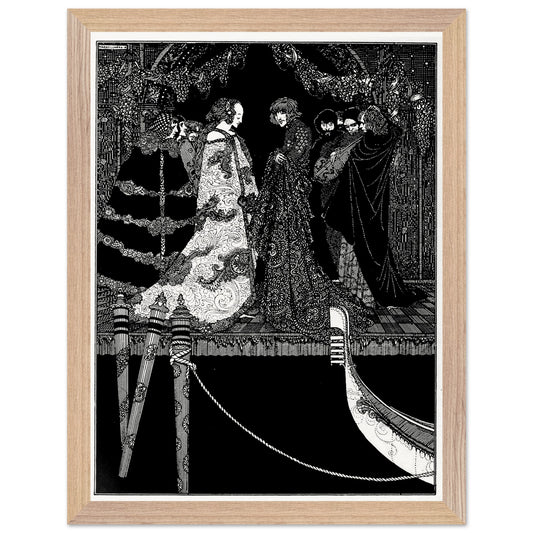
Collection: Harry Clarke
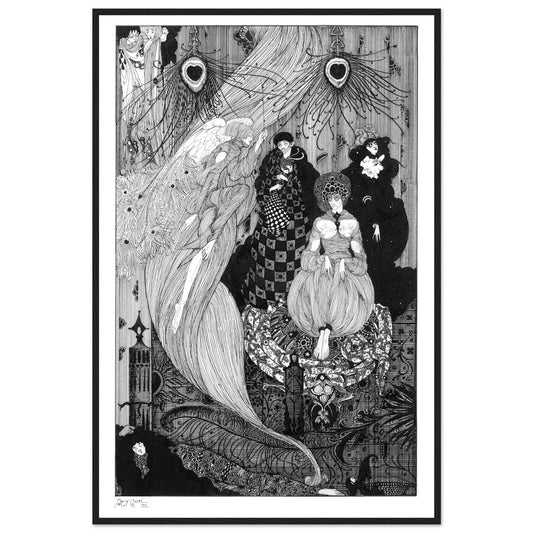
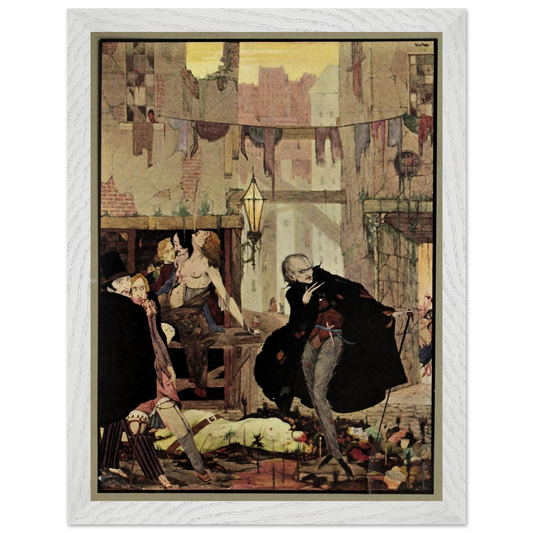
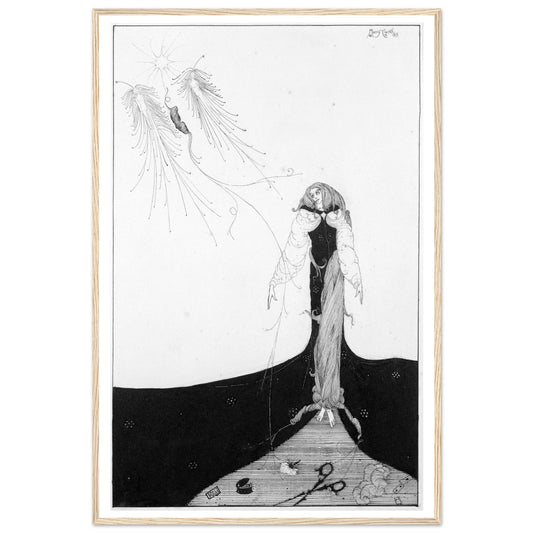
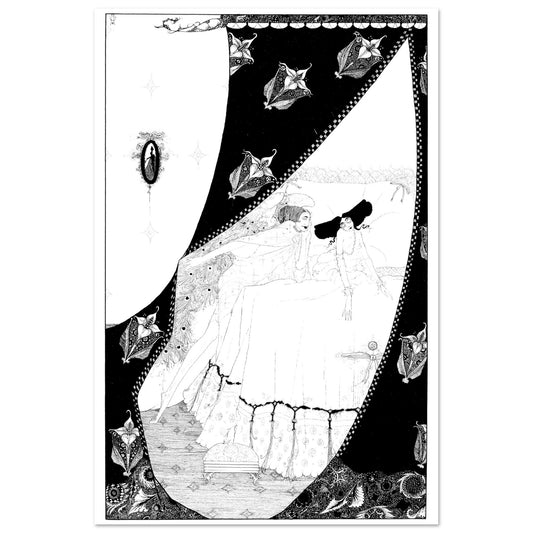
Harry Clarke (1889–1931) was Dublin-born, stained-glass trained, and unlike anyone before or since. His illustrations for Poe, Andersen, and Goethe brought medieval craft and Gothic imagination into the twentieth century — dense ornamental linework, luminous colour, and a darkness that never tips into decoration.
George Russell called him one of the strangest geniuses of his time. He died at 41. The work never went out of print. Framed and unframed. Free worldwide shipping.

-
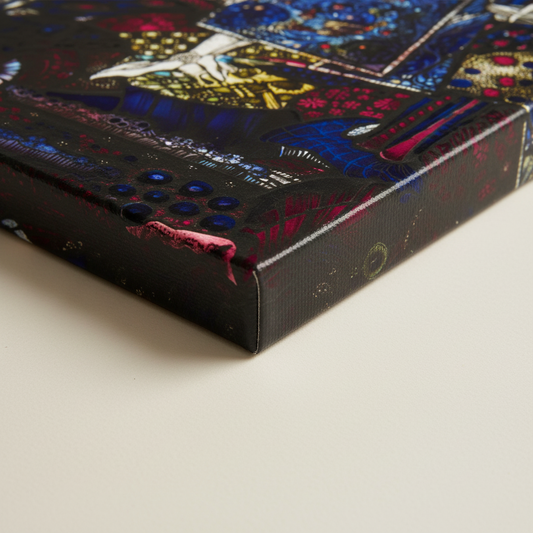
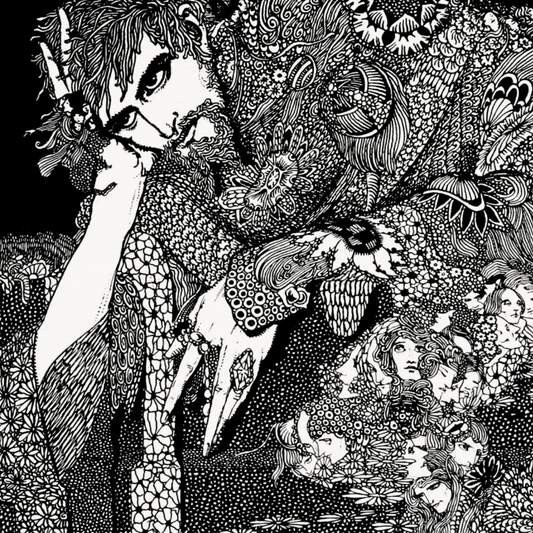
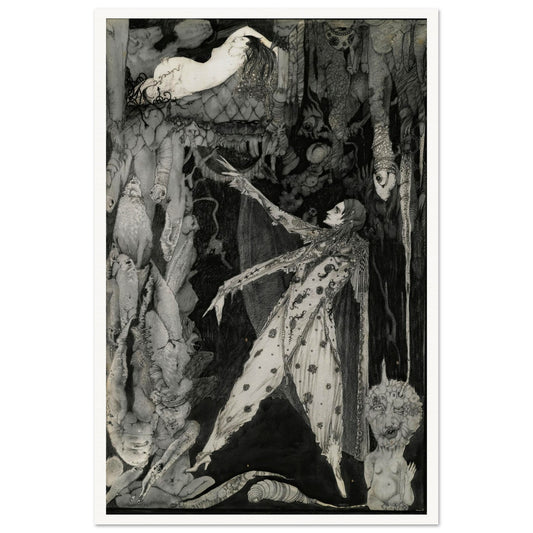
The Song of the Mad Prince (1917) – Harry Clarke Canvas Art Print
Regular price €199,00 EURRegular price -
Harry Clarke – Poe’s Tales of Mystery and Imagination Art Print
Regular price From €75,00 EURRegular price -
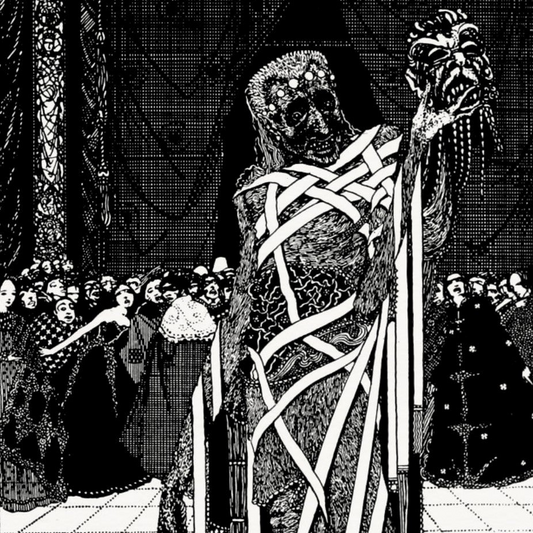
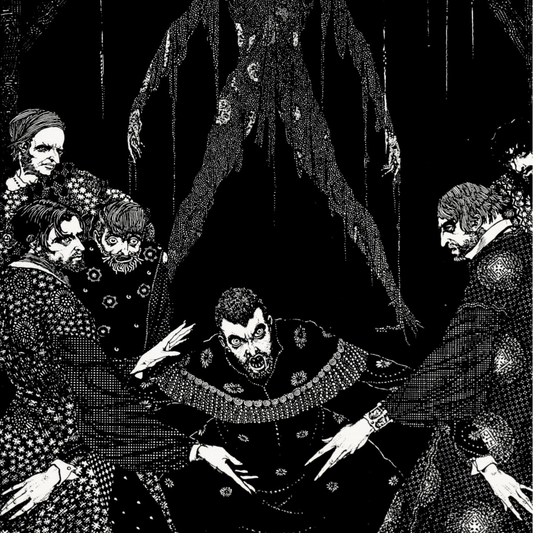
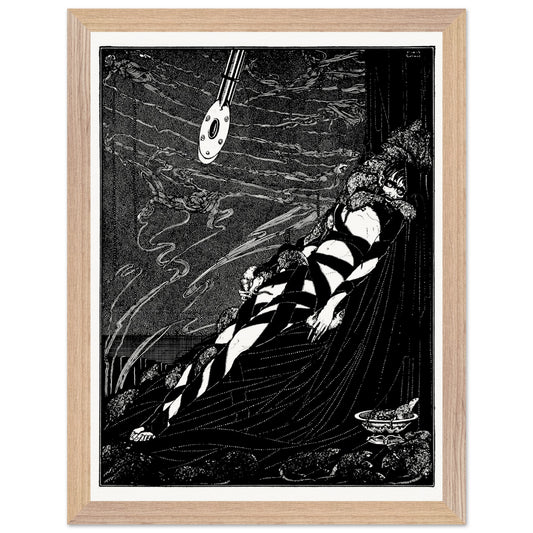
The Dagger Dropped (1923) – Harry Clarke | Masque of Red Death
Regular price From €112,00 EURRegular price -
I Would Call Aloud (1923) – Harry Clarke | Poe's Ligeia
Regular price From €82,00 EURRegular price -
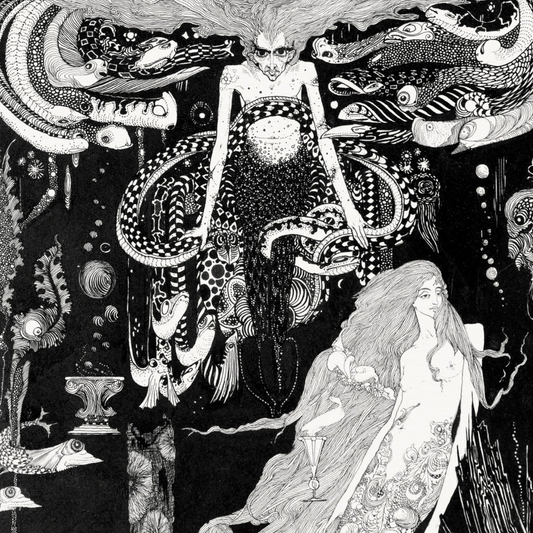
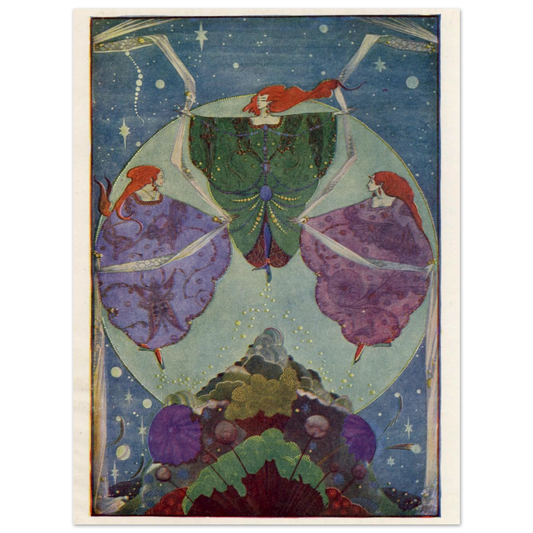
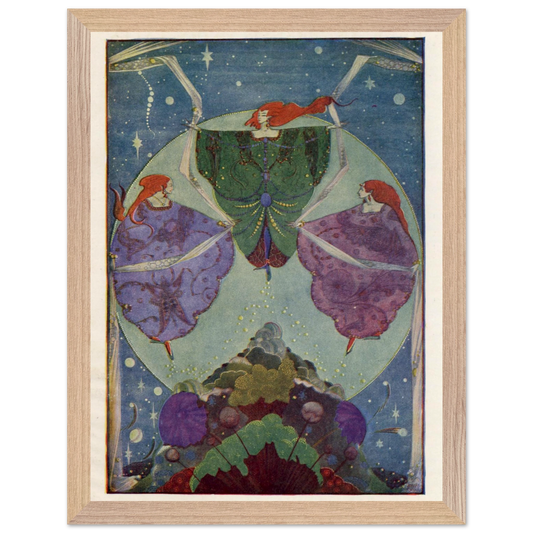
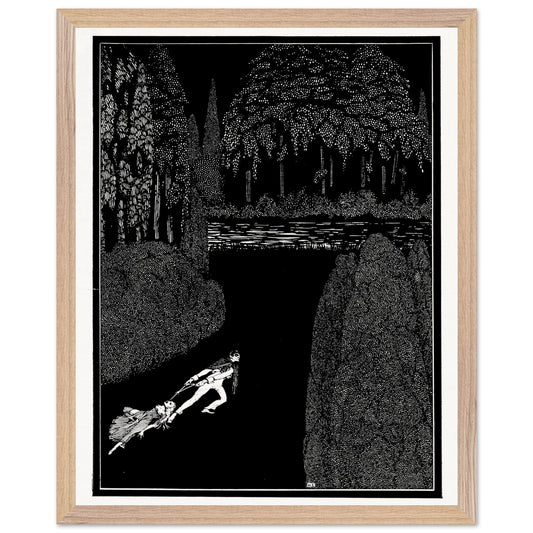
The Little Sea Maid (1916) – Harry Clarke | Andersen Fairy Tales
Regular price From €72,00 EURRegular price -
The Earth Grew Dark (1923) – Harry Clarke Gothic Art Print
Regular price From €82,00 EURRegular price -
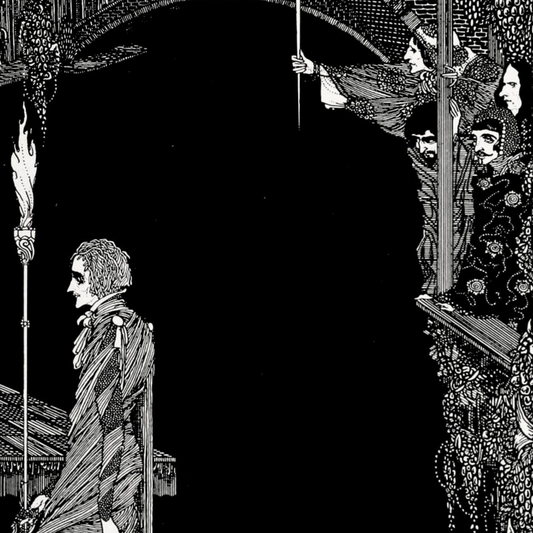
Myself No Power (1923) – Harry Clarke | Poe's William Wilson
Regular price From €75,00 EURRegular price -
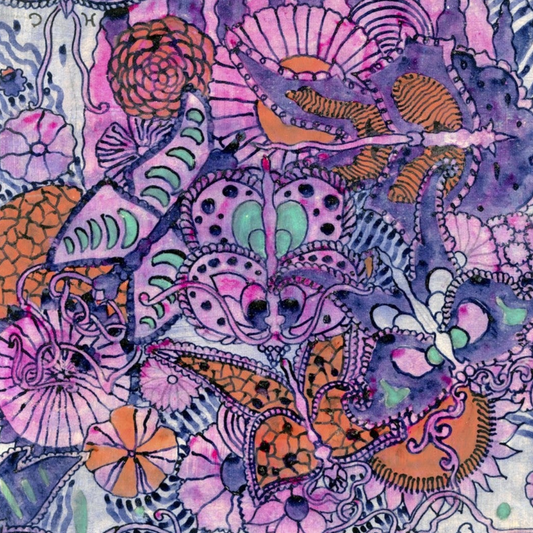
Harry Clarke Butterfly Print | Sefton Fabrics Belfast 1918
Regular price From €75,00 EURRegular price -
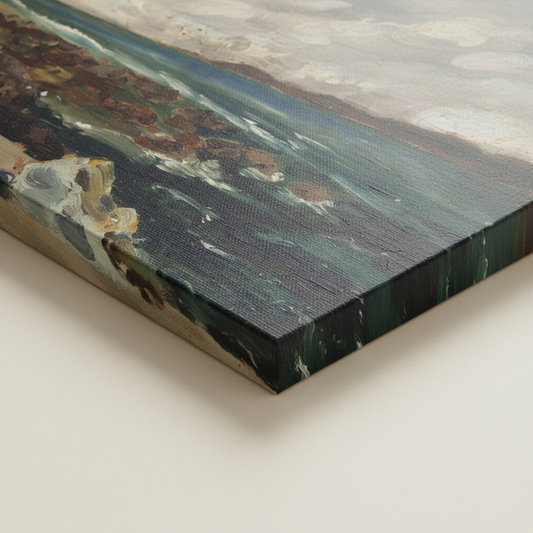
Landscape by the Coast - Harry Clarke Canvas Art Print
Regular price €125,00 EURRegular price -
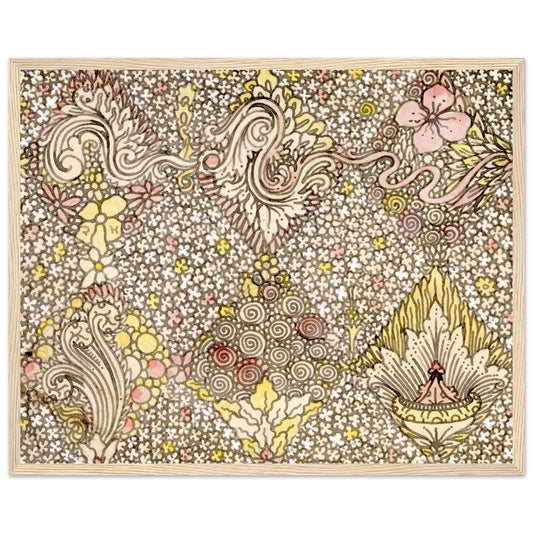
Floral Textile Design Art Print by Irish Artist Harry Clarke
Regular price From €82,00 EURRegular price -
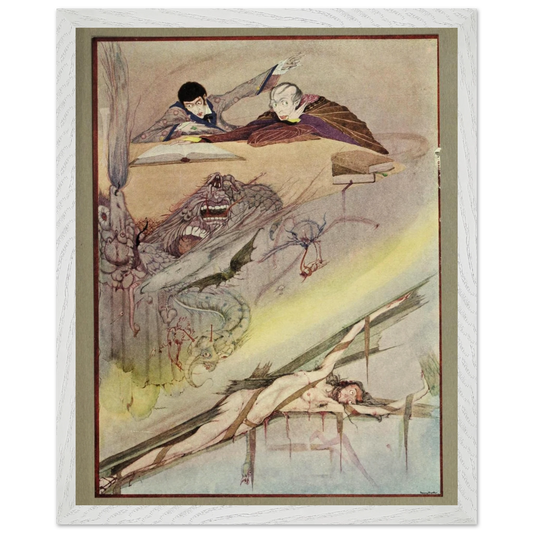
Harry Clarke – Rending of Coffin Art Print
Regular price From €82,00 EURRegular price -
Harry Clarke – Slowly Opened Eyes Art Print
Regular price From €82,00 EURRegular price -
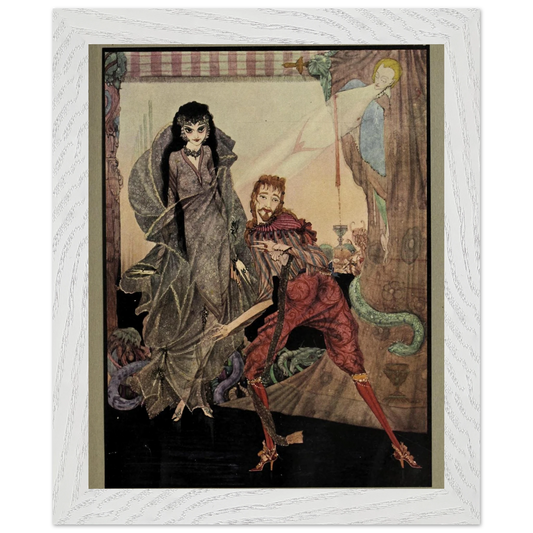
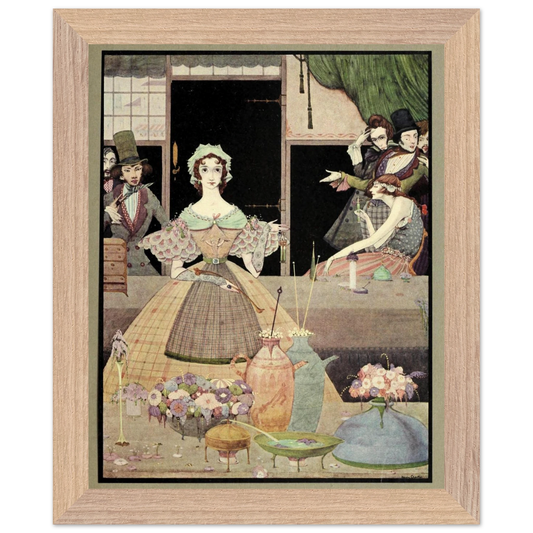
Harry Clarke – Spritely Grisette Art Print
Regular price From €82,00 EURRegular price -
Walled the Monster (1923) – Harry Clarke | Poe's Black Cat
Regular price From €75,00 EURRegular price -
Harry Clarke – They Danced with Shawls Art Print
Regular price From €75,00 EURRegular price -
See Fierce Belinda on the Baron Flies – Harry Clarke Art Print
Regular price From €72,00 EURRegular price -
Now Awful Beauty Puts on All Its Arms – H. Clarke
Regular price From €72,00 EURRegular price -
He Saw the Finest Sight – Harry Clarke Art Print
Regular price From €155,00 EURRegular price -
He Takes the Gift with Reverence – Harry Clarke
Regular price From €165,00 EURRegular price -
Down to the Central Earth – Harry Clarke Print
Regular price From €165,00 EURRegular price -
Harry Clarke – Noisome Quarter Art Print
Regular price From €75,00 EURRegular price -
But Trust the Muse – Harry Clarke Art Print
Regular price From €72,00 EURRegular price -
Her Guardian Sylph – Harry Clarke Irish Art Print
Regular price From €72,00 EURRegular price -
Swarmed Upon Me (1923) – Harry Clarke | Poe's Tales Print
Regular price From €75,00 EURRegular price -
Toilsome Journey (1923) – Harry Clarke | Poe's Tales Print
Regular price From €85,00 EURRegular price -
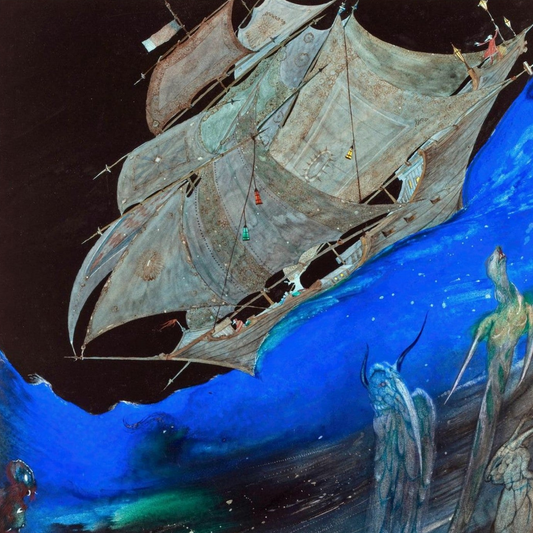
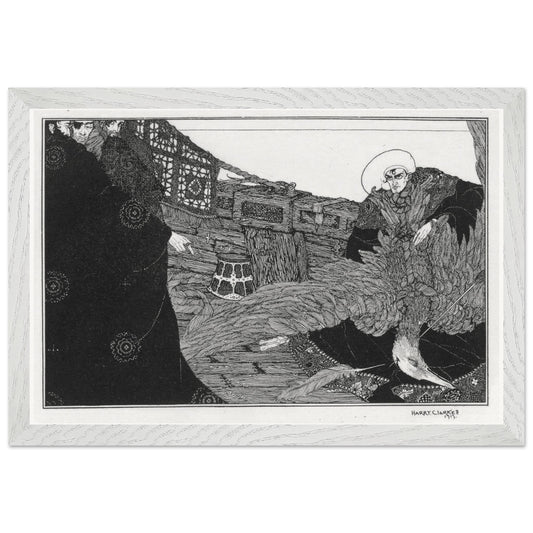
The Rime of the Ancient Mariner — Harry Clarke
Regular price From €99,00 EURRegular price -
How Heavenly Fair Harry Clarke (Irish, 1889–1931)
Regular price From €72,00 EURRegular price€0,00 EURSale price From €72,00 EUR -
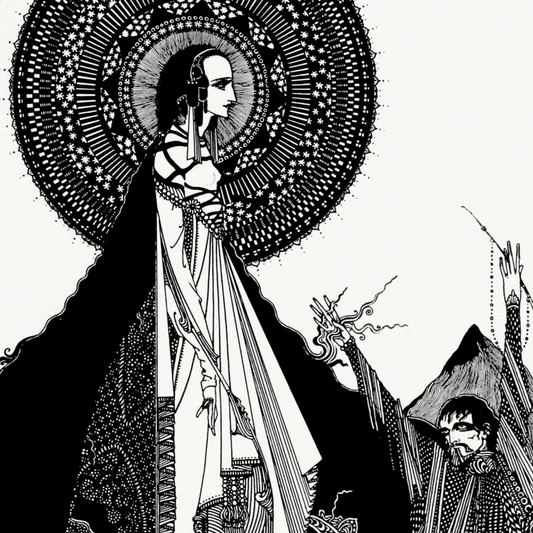
Harry Clarke – Marchesa Aphrodite (1923) Art Print
Regular price From €75,00 EURRegular price€0,00 EURSale price From €75,00 EUR -
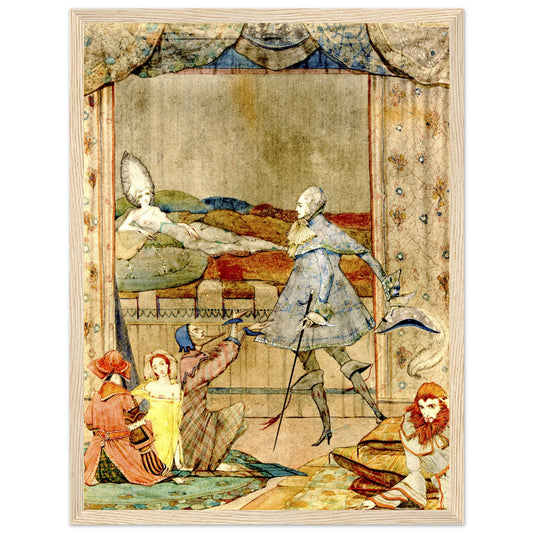
The Sleeping Beauty – Harry Clarke Art Print
Regular price From €75,00 EURRegular price